


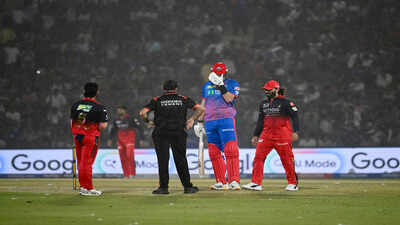
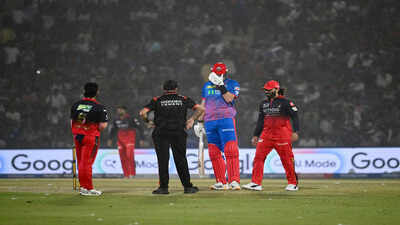
NEW DELHI: India’s T20 cricketing prowess is now the envy of the world, especially with the IPL dictating the changing landscape of the format.India’s back-to-back T20 World Cup triumphs, however, were built on an IPL-generated template of logging high scores on batting-friendly pitches. Yet, this season’s IPL has sounded a warning which could set off the alarm bells on this approach.Monday’s game at the Ferozeshah Kotla between Delhi Capitals and Royal Challengers Bengaluru, in particular, highlighted how batters can surrender timidly when condition are slightly bowler friendly and the likes of Josh Hazlewood and Bhuvneshwar Kumar are doing bowling duties.DC were reduced to 8/6 in 3.5 overs and finished the Powerplay with a record IPL low score of 13/6. Somehow they limped to a total of 75.It’s almost against the core marketing ethos of this format to see ball dominate bat, but there have also been some games in Lucknow and Chennai too this season which have been uncomfortable for batters.Getting to 160 has become an arduous task in Lucknow while the Chennai Super Kings batters were shackled by the likes of Mohammed Siraj, Kagiso Rabada and Jason Holder in Chennai on Sunday.The surfaces in question have not been minefields. They are regular surfaces with just enough in it for the bowlers to expose the technical deficiencies of batters.The Indian team has played most of its white-ball cricket in the subcontinent in the last two years. The caravan will now move out, with the ODI World Cup in 2027 slated to be played in South Africa and the next T20 World Cup to be played in Australia and New Zealand in 2028.It’s imperative that the wise men tasked with Indian cricket’s planning don’t get swayed only by performances in high-scoring matches. Challenging conditions for batters in India are still a rarity in T20 cricket but they serve as unpleasant markers.“It’s important that these lowscoring matches are not discouraged. The curator must not be under pressure if his surface has produced a low-scoring game here and there. The selectors see how batters adapt to challenging conditions. Look at Virat Kohli, how well he batted in similar conditions. I’m sure the selectors have an eye out for that when they plan for the future,” former national selector Devang Gandhi said.It’s undeniably a worrying trend. India’s recent performances on spicy Australian pitches and turning tracks in India are well documented. These matches aren’t just banana peels. They are likely to be the norm when the Indian team hits the road over the next two years.Delhi Capitals captain Axar Patel put on a brave front after Monday’s humiliation and said, “The franchises do hold camps round the year. It’s a personal choice for the young uncapped players to decide what drills they would like to do more. But I believe one should focus on technique and the foundation of batting. You can’t sustain power-hitting if you don’t have a strong foundation.”Since IPL became a 10-team competition, teams have diluted bowling attacks. There are fewer active, established international bowlers and more inexperienced Indian bowlers. “One has to factor that in while judging a batter’s season. GT, RR, LSG and RCB look to have comparatively potent attacks. How batters are reacting to these bowlers holds the key since you will not get 250-plus conducive T20 pitches in SENA countries. The planning has to be for the ODI World Cup in South Africa,” former India wicketkeeper-turned-broadcaster Deep Dasgupta said.