


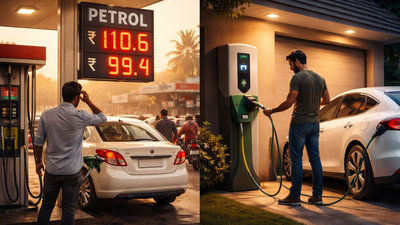
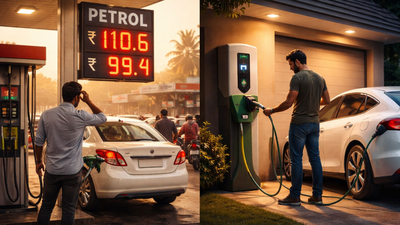
Potential increases in petrol prices amid geopolitical tensions in the Middle East are drawing renewed attention to electric vehicles (EVs) as buyers assess long-term ownership costs. Concerns over the conflict involving Israel, the United States and Iran have raised fears of disruptions in global oil supply, which could push crude prices higher and affect fuel costs in countries such as India. The Middle East plays a key role in global oil supply, and instability in the region can influence crude markets. A major concern for traders is the Strait of Hormuz, a narrow route through which a significant share of the world’s oil is transported. Any disruption to shipping through this passage could tighten supply and increase prices.


India imports a large portion of its crude oil needs, making domestic petrol and diesel prices sensitive to global trends. If crude prices rise due to prolonged tensions, fuel costs in the country could increase in the coming months. This possibility is prompting some buyers to examine alternatives such as electric vehicles. EVs have gradually moved from a niche segment to a more widely considered option in recent years. Rising petrol prices are one factor behind this shift, as buyers increasingly focus on the total cost of ownership rather than only the purchase price.Running costs remain one of the main differences between petrol vehicles and EVs. Petrol cars depend on fuel prices that fluctuate with global markets, taxes and distribution costs. Electric vehicles operate on electricity, which typically results in lower per-kilometre costs, particularly when charged at home. For commuters with predictable daily travel, this can lead to lower operating expenses over time. However, EV adoption also involves certain challenges. Electric cars generally have a higher upfront purchase price than comparable petrol models due largely to battery costs. Government incentives and subsidies have narrowed the gap in some segments, but the initial price difference remains a consideration for many buyers.
Charging infrastructure is another factor. Public charging networks in India have expanded in recent years, though availability varies across regions. Large cities have seen faster growth in charging points, while smaller towns and rural areas may still have limited coverage. For many owners, home charging remains the most practical option, particularly for those with dedicated parking. Driving range is also part of the evaluation. Modern EVs can typically travel between 300 and 500 kilometres on a single charge, which covers most urban commuting needs. Longer trips, however, may require planning around charging locations, unlike petrol vehicles that benefit from an extensive network of fuel stations.Maintenance costs can favour EVs because electric powertrains have fewer moving components than internal combustion engines. Items such as engine oil, spark plugs and complex transmissions are absent. At the same time, buyers must consider long-term battery health and replacement costs, although manufacturers now provide extended battery warranties.Environmental considerations also influence buyer interest. EVs produce no tailpipe emissions, which can help reduce urban pollution. The overall environmental impact, however, also depends on how electricity is generated. Petrol vehicles continue to dominate the Indian market due to lower purchase prices and a widespread refuelling network. However, rising fuel costs and global uncertainty around oil supply are encouraging some consumers to reconsider their options. Geopolitical tensions involving Israel, the United States and Iran highlight how global events can affect fuel prices. Movements in international oil markets are often reflected at fuel pumps, linking domestic fuel costs to developments abroad.As a result, EVs are becoming a practical consideration for more buyers. While they may not suit every user or driving pattern, lower running costs and a growing charging ecosystem are increasing their relevance as fuel price volatility persists. For buyers planning their next vehicle purchase, the choice between petrol and electric vehicles increasingly involves assessing long-term operating costs, access to charging infrastructure and the potential impact of global oil market developments on fuel prices.