

Decoding the business of bringing Brazil, Uruguay, Panama to India for football friendlies | Football News


New Delhi: Bringing Brazil to India was not just about getting one of football’s biggest names to play a match. It was about negotiating with federations, securing the right venue, arranging travel and accommodation, ensuring security, maintaining the pitch and, ultimately, figuring out who will pay for it all.The financial stakes are substantial. An international friendly involving a World Cup nation can cost at least Rs 10 crore, while staging a match involving one of the biggest teams could push the bill to Rs 100 crore, according to Anuj Kichlu, director and CEO of Best of You, which helped facilitate India’s friendlies against Panama, Brazil and Uruguay.“It would happen depending on the team. But an international friendly of a World Cup nation kind of friendly will not come under 10 crores,” Kichlu told TimesofIndia.com after the three friendlies in Bengaluru and Kolkata.“I’m saying you take the cost of the team, the cost of their travel, the cost of the stadium, event, and that. So the lowest you’ll get a World Cup team is at Rs 10 crores, and the highest it’ll cost is even 100 crores for one match, depending on the team.”The figures, he explained, cover considerably more than the fee for securing a team’s appearance.“It’s appearance, logistics, flights, hotels, securities, player’s safety, police, in-stadium branding, event management, insurances. Everything would be covered,” he explained.The challenge, therefore, is not simply to bring a marquee team to India. It is to make the economics of the event work in a market where the appetite for international football is still developing.Who pays for the spectacle?
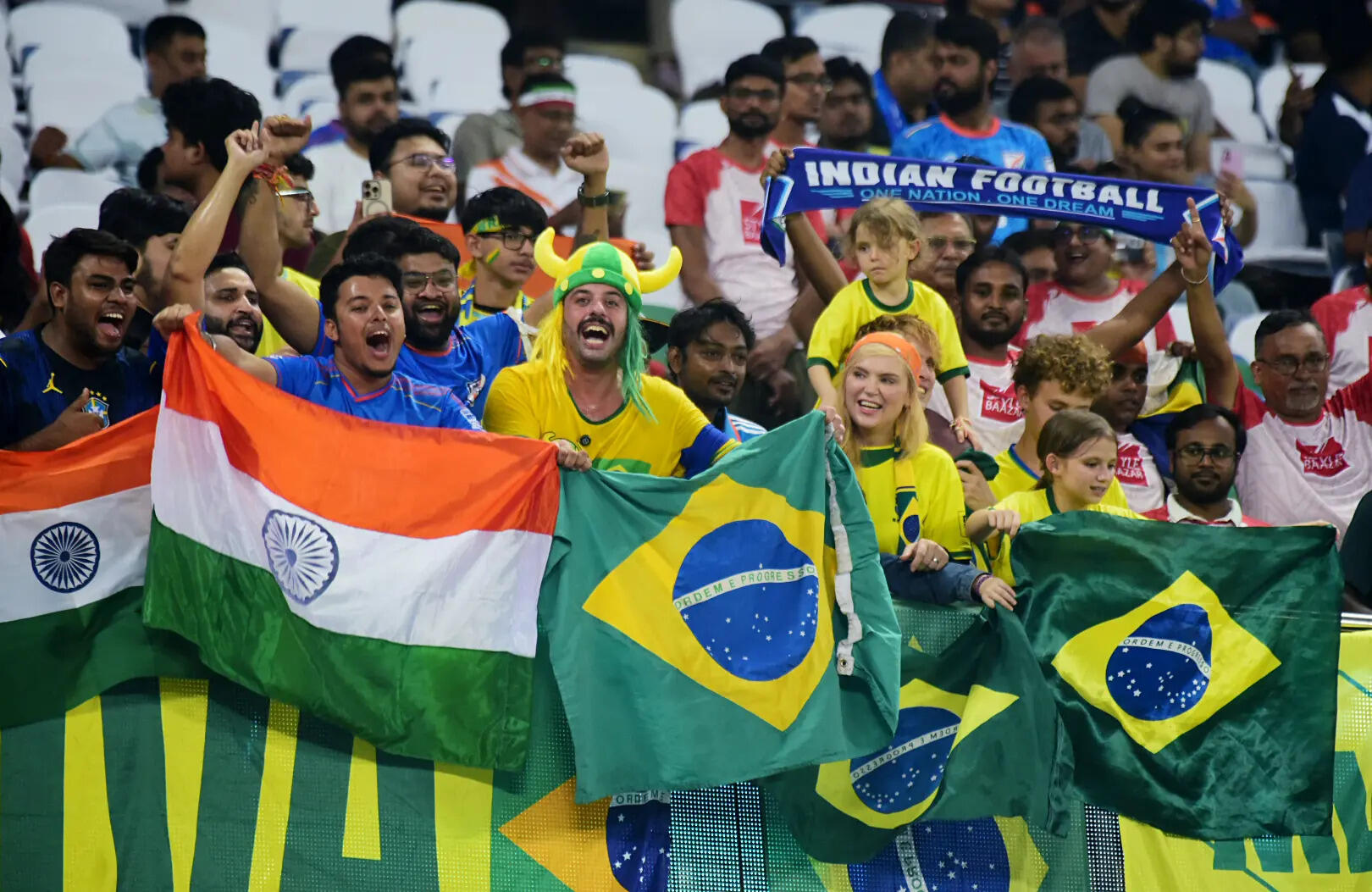
Supporters cheer for their teams during the International Friendly football match between India and Brazil at Vivekananda Yuba Bharati Krirangan, in Kolkata. (ANI)
There is no single business model for staging an international friendly. The financial structure depends on who initiates the event and what they hope to achieve.A private promoter may organise a match with the expectation of recovering the investment through ticket sales, sponsorships and broadcast rights. A football federation, meanwhile, may be driven by sporting objectives, including giving its national team exposure against stronger opposition.In the case of India’s recent friendlies, the AIFF approached the Spain-headquartered Best of You to help bring international teams to the country. They acted as a match agent, negotiating with the visiting federations and coordinating arrangements for their participation. Commercialisation, including ticketing and broadcasting, was handled separately by the AIFF and its agencies.Kichlu was clear about the distinction.“Yeah, they engaged agencies for sponsorship. They engaged agencies for ticketing. They had security agencies for private security. They engaged with several different vendors, 5-6 different vendors for different roles,” said Kichlu, who leads the company’s India office.They, meanwhile, are not necessarily the party carrying the event’s commercial risk.
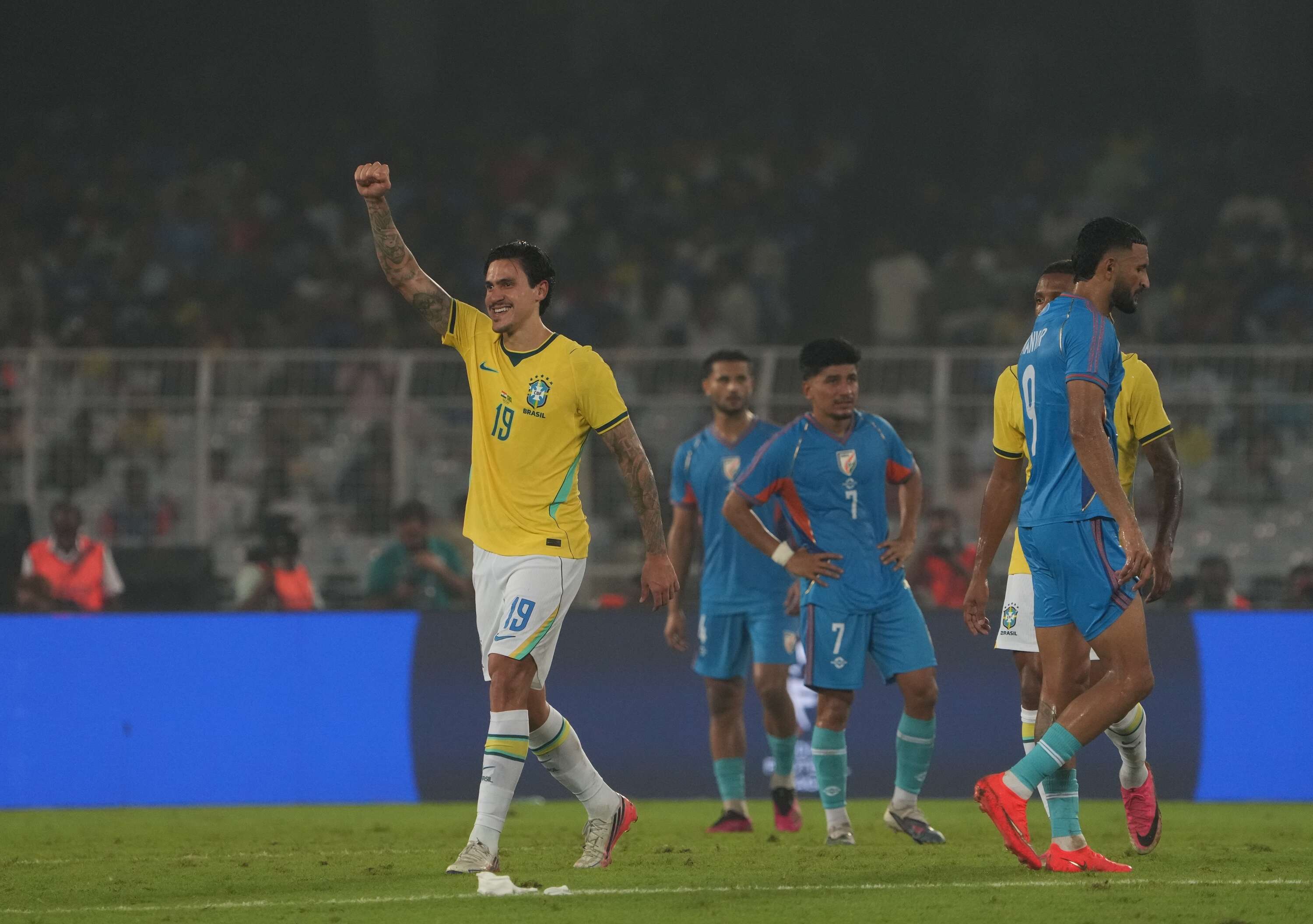
Brazilian player Pedro (19) celebrates after his goal during an international friendly football match between India and Brazil at the Vivekananda Yuba Bharati Krirangan (Salt Lake Stadium) in Kolkata. (PTI)
“It’s two federations only, and we come in as match agents. So we are not actually a party on the contract, but we are match agents on the contract,” he said on how the agreement is drawn.He explained that the agent’s responsibilities included areas such as insurance and cancellation, rather than the commercialisation of the event.That separation is important. While the agent helps secure the teams and ensure contractual obligations are met, the federation and its commercial partners must work out whether the event can generate enough revenue to justify the expenditure.The problem with selling a Brazil match
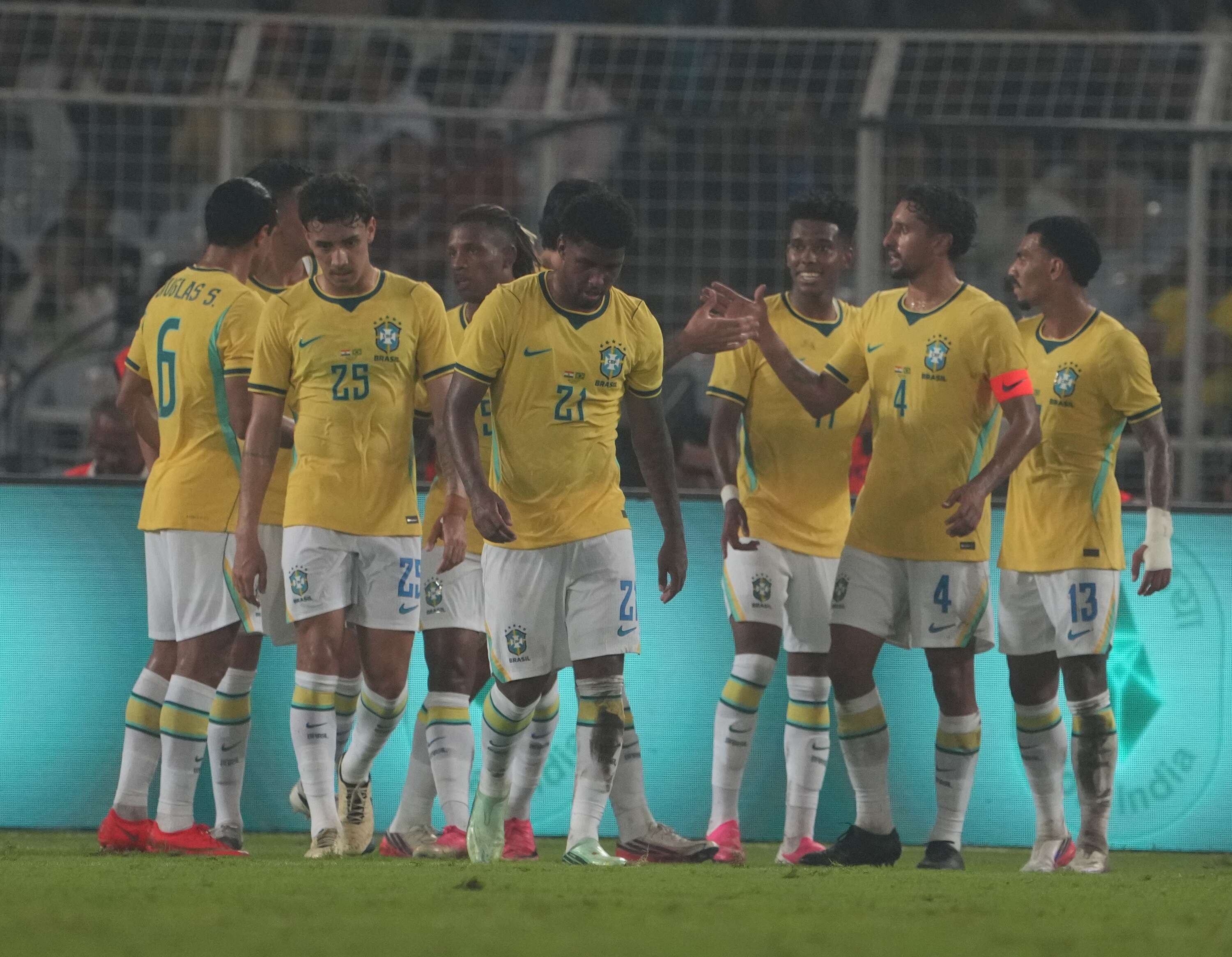
India and Brazil football players during the international friendly match at the Vivekananda Yuba Bharati Krirangan (Salt Lake Stadium) in Kolkata. (PTI)
Brazil was the centrepiece of the three friendly series, for which India opted against playing the FIFA ASEAN Cup, selected for its substantial fan following in India, especially in Kolkata. Panama was brought in as a preparatory opponent, while Uruguay was added later when an opportunity arose to secure the team at a comparatively favourable price during their tour of Japan and South Korea.But the appeal of a famous team does not automatically translate into a commercially successful event.Kichlu believes the market for international football in India has potential, although negative publicity surrounding the sport has affected confidence among both spectators and sponsors.“I think there’s a lot of negative news around (Indian) football. So as long as that’s there, the appetite will be limited. But I think this one event will change the appetite for future events.”
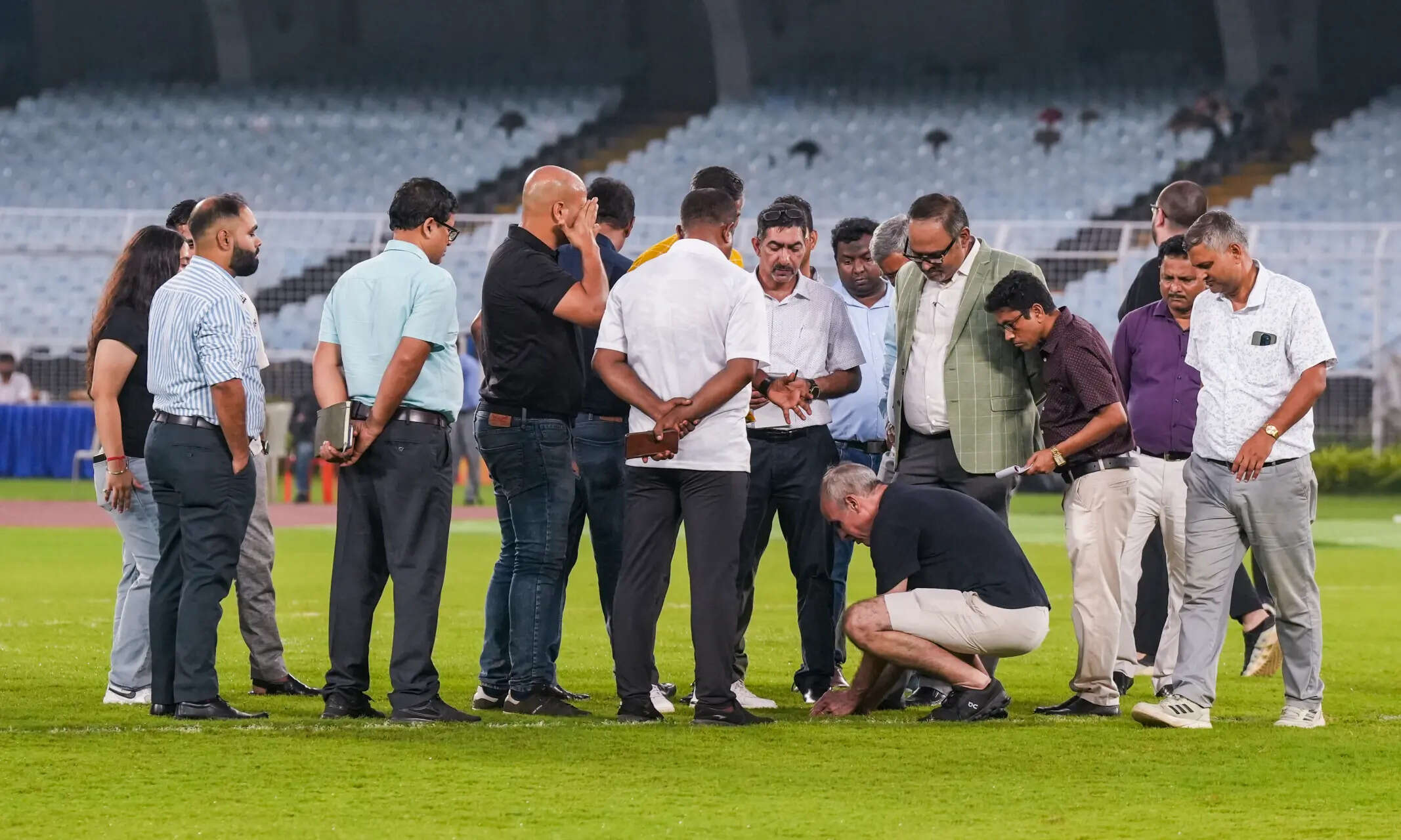
A delegation of the Brazilian Football Confederation and others inspect the field at Salt lake Stadium, also known as Vivekananda Yuba Bharati Krirangan (PTI Photo/Swapan Mahapatra)
He said the matches had generated interest in future fixtures, despite the commercial challenges.“So already we are getting inquiries for future matches and stuff in India because this one was successful, other than commercially. If you see everything on the ground was quite successful.”For sponsors, however, interest alone is insufficient. Brands want measurable evidence that an event can deliver an audience and provide value for their investment.“Not only fans, even I’d say sponsors obviously are reluctant to associate with something if they don’t have numbers and backing, right? So when you go to someone and say you’re sponsoring a Brazil match and they ask you for data of another big match in India, you don’t have a match to go by,” he stated.The lack of comparable events makes it difficult to establish what sponsors should expect from a major international friendly. Television ratings, digital views and stadium attendance can offer useful indicators, but they need to be interpreted carefully.Kichlu pointed out that even television figures can be difficult to assess without knowing how long viewers watched. Digital views, too, do not necessarily reflect sustained engagement. The recent elation with viewership of the Indian Super League (ISL) is an example of keeping caution.The friendlies, meanwhile, could therefore serve as a reference point for future commercial decisions.“So decisions in the future will be made based on these 3 matches and the UK tour (Unity Cup against Nigeria and Zimbabwe) and stuff like that,” said Kichlu.For Indian football, the ability to turn those experiences into reliable audience data could be as important as securing the next marquee opponent.Why planning matters more than ticket prices
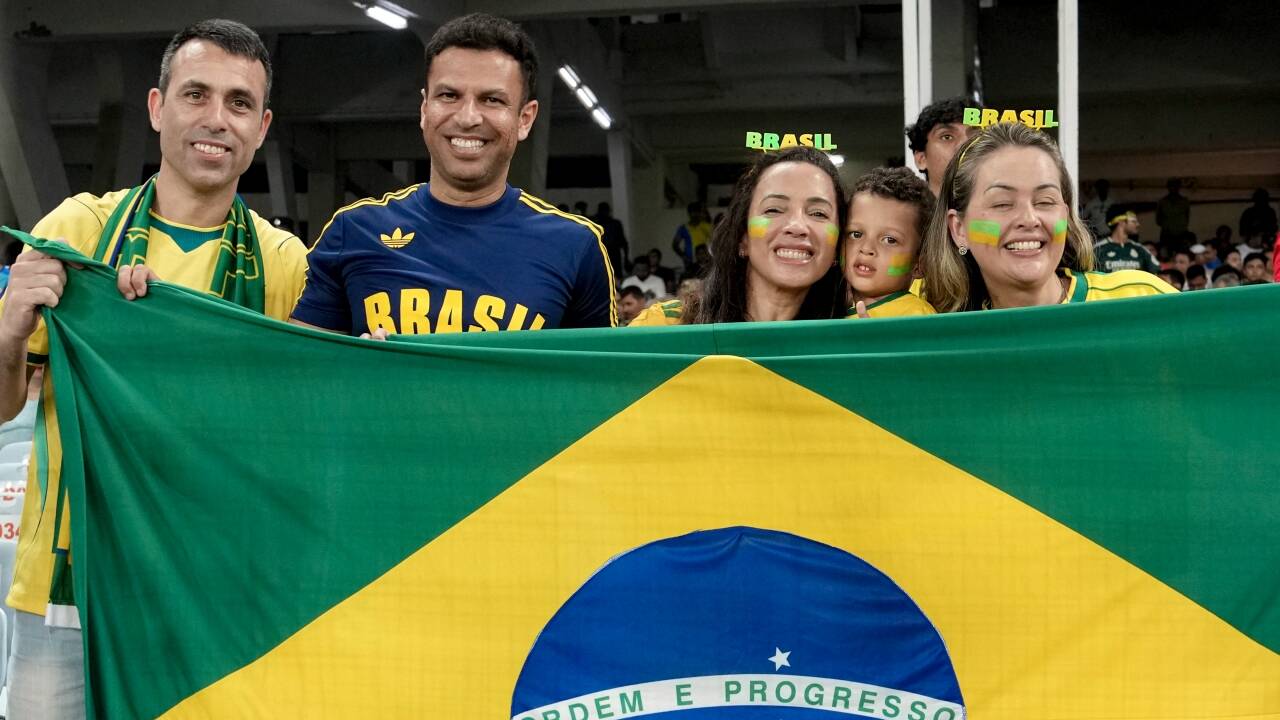
Brazil supporters during the FIFA friendly between India and Brazil at the Salt Lake Stadium in Kolkata. (Image: PTI)
The attendance at the Salt Lake Stadium for the friendlies against Brazil and Uruguay raised eyebrows. 51,402 came through the gates for the Brazil game and 37,307 for the contest against Uruguay. Different reasons have been suggested for the less-than-expected turnout. Kichlu believes the marketing window and the timing of the event played a significant role.“I think the marketing for the match was pretty late, to be honest, because with the kind of prices they’re charging for those tickets, it means it’s not that people aren’t willing to pay it,” he said.“I think it just needs more planning because people will dedicate budgets to this compared to something else, and I would say a lot of people would have committed money somewhere else,” he continued.The short lead time also limited the opportunity to attract fans from outside Kolkata.
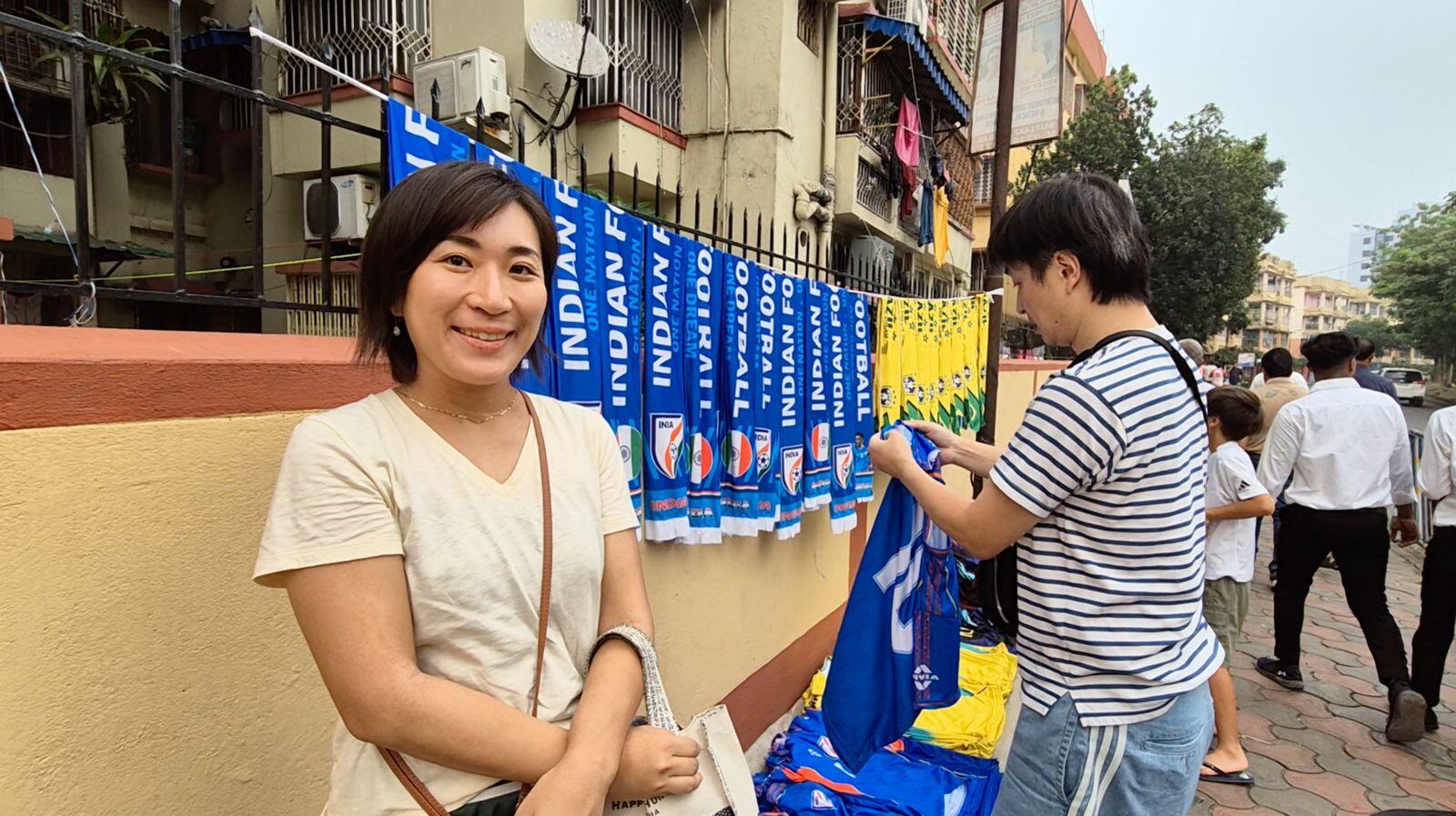
Kohana, her husband and four boys travelled from Chennai to Kolkata for the India vs Brazil game. (Image: Tanuj Lakhina/TimesofIndia.com)
“And with a 2-3 week window only, people would have made other plans to travel to other places. Being a long weekend also, I would say a lot of the people from Bombay, Delhi, Bangalore, stuff like that, would have made other plans to go on holidays in other places.”His argument is that a match involving Brazil should not be marketed only to the city hosting it. It has the potential to draw spectators from across India, but doing so requires advance planning.“But if they had, say, a 2-and-a-half, 3-month notice, they would have probably planned towards this.”“I think the disappointing thing was that the number of people from across India who traveled for the match was low compared to what you would expect for this kind of a match.”Concerns about safety following the earlier Lionel Messi event in Kolkata had, he said, made some parents cautious about bringing their children to another high-profile football event.
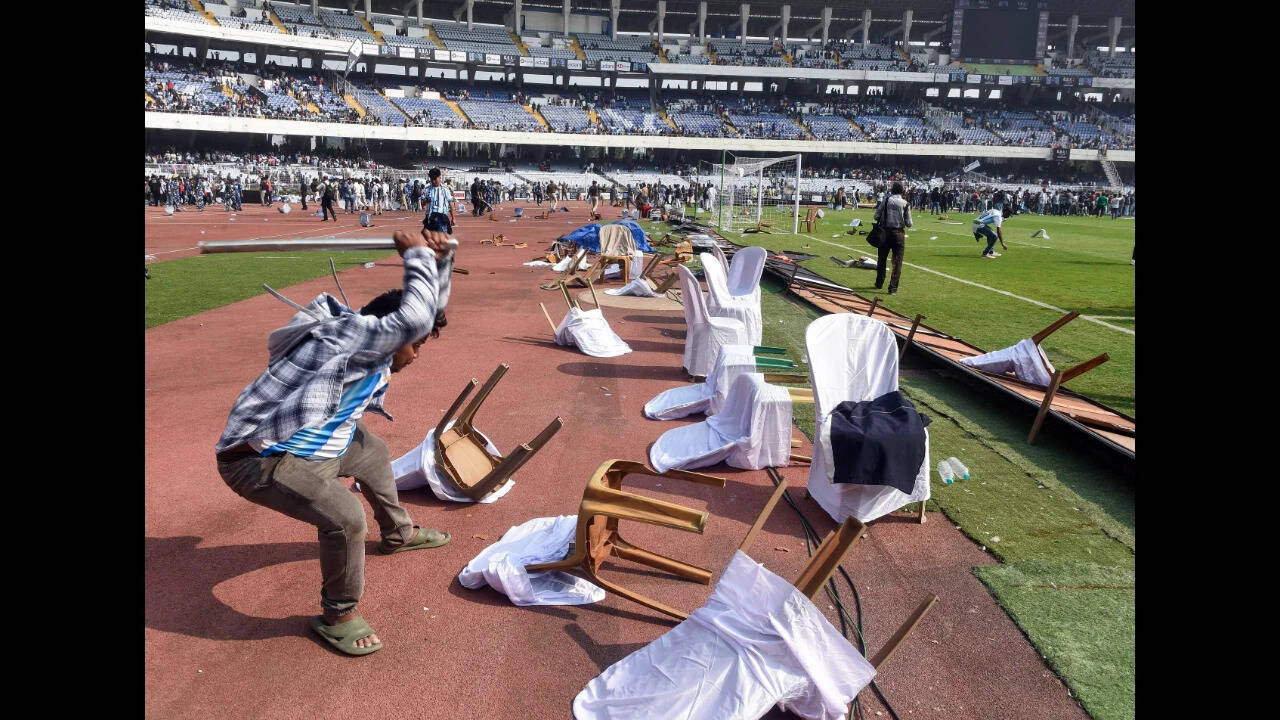
Angry fans vandalised the Salt Lake Stadium, alleging poor management during Argentine footballer Lionel Messi’s G.O.A.T India Tour 2025 in Kolkata. (ANI)
“I think we have to work more on the family experience and obviously giving more time and with that, it’ll work.”He does not believe ticket prices and it coming two weeks before Durga Puja explain the lower attendance.“To be honest, the pricing of the tickets, I’ve researched all over Asia and even countries who are as far as India, and people are willing to pay this and much more for these kind of matches.”“So I don’t think it’s that much of the ticketing price. I think it’s the people who are willing to pay for these tickets are the ones who didn’t come to the stadium,” he reasoned.Why government backing mattersIf ticketing and sponsorship alone cannot guarantee a return, who should pay for the difference?Kichlu believes government support can be crucial when a country is trying to establish itself as a destination for major international football.“I think government should play more of a role, right? If they want to bring these events, like, any state government wants to bring these kind of events to their state, they’d have to also pitch in resources. That’s exactly why Brazil went to Australia.”“The two matches were funded by the Queensland state government. It was part of their objective to promote the state internationally.”
I think there’s a lot of negative news around (Indian) football. So as long as that’s there, the appetite will be limited. But I think this one event will change the appetite for future events.
Anuj Kichlu
The investment, in such cases, is not necessarily intended to be recovered entirely through ticket sales. Governments may see international sporting events as a way to promote a destination, generate publicity and build the infrastructure and reputation required to host larger events.Kichlu said the economics in established football markets are different for such friendlies because ticketing and broadcast revenues are more predictable.“In Europe, you can take a team and you can make it commercially viable because the market is there, people are willing to pay it.”In emerging markets, he argued, the commercial foundations are not yet as secure.“And if you don’t do that, I don’t think these events are economical to organise like it is in Europe, where you have a set ticket price you can charge. You know what broadcast rights you’ll get. You know what sponsorship you’ll get. Everything is starting at a base level. So you have to have backing,” he finished.